.jpg)
Senior representatives from governments, industry, financing institutions and regional and development partners across Asia and Africa gathered alongside the 7th International Energy Conference & Exhibition to advance cooperation "from minerals to manufacturing".
[12 August, 2026] — The inaugural Global South Convening on Clean Technology Minerals & Supply Chains concluded in New Delhi on 7 August 2026, having brought together senior representatives from government, industry and state enterprises across emerging economies in Asia and Africa to build partnerships spanning the full clean technology value chain, from minerals processing and refining to the manufacturing of finished technologies.
Hosted by the Council for Critical Minerals Development in the Global South, the two-day Convening (6–7 August, 2026) was held at Hotel Le Meridien, New Delhi, alongside the 7th International Energy Conference & Exhibition 2026, organised by the Confederation of Indian Industry (CII) and the Ministry of New and Renewable Energy.
Clean technology supply chains represent a high-priority opportunity for collaboration between Global South countries, one that can deliver both economic security and clean energy outcomes. Driven by ambitious policy targets, India is among the largest and fastest-growing clean technology markets, with a vibrant domestic manufacturing ecosystem. Deeper cooperation, from minerals processing and refining to trade in intermediate materials and finished technologies, spanning solar PV modules, batteries, transmission and distribution infrastructure, and electric vehicles, can unlock new markets, reduce import dependence, and contribute to more resilient and equitable supply chains.
Too many countries in the Global South remain resource-rich but value-poor. Holding the minerals the energy transition depends on, while the industries that add value are built elsewhere. This Convening set out to change that equation, by centring Global South priorities and building partnerships from exploration to processing to manufacturing. Over two days, shared ambition became concrete cooperation on investment, technology and skills. The measure of success now is how much of that value we can keep at home.
— Divyam Nagpal, Co-Convenor, Council for Critical Minerals Development in the Global South, and Principal Specialist, Renewable Energy, SEforALL.
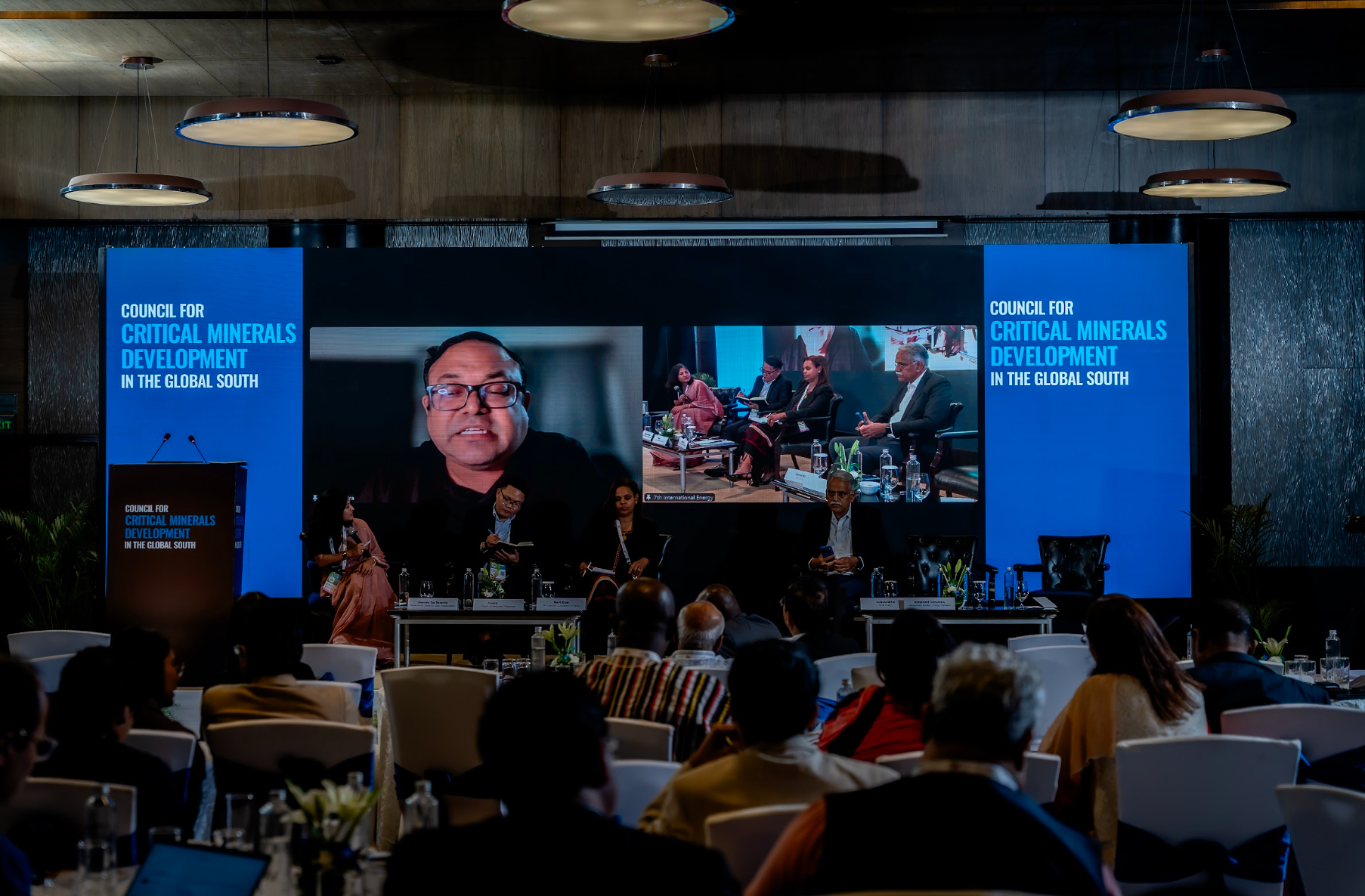
The Convening sought to fill a critical gap by centering Global South priorities, enabling policy exchange, supporting partnership building focused on investment, and advancing common priorities on trade, investment and technology. Over two days, sessions addressed cooperation on mineral supply chains, resilient and development-oriented supply chains, joint investments, technology transfer and R&D, making supply chains just for communities, exploration and extraction, processing and downstreaming, mineral re-use and recycling, solar PV, and electric mobility and batteries.
As a large and fast-growing market, India's clean technology programmes offer both a model and a platform for regional cooperation. The Convening showcased India's National Critical Minerals Mission, National Solar Mission, PM E-DRIVE, and domestic industry capabilities as a basis for South-South collaboration, alongside evidence-driven discussions on technology access, industrial policy design and financing.
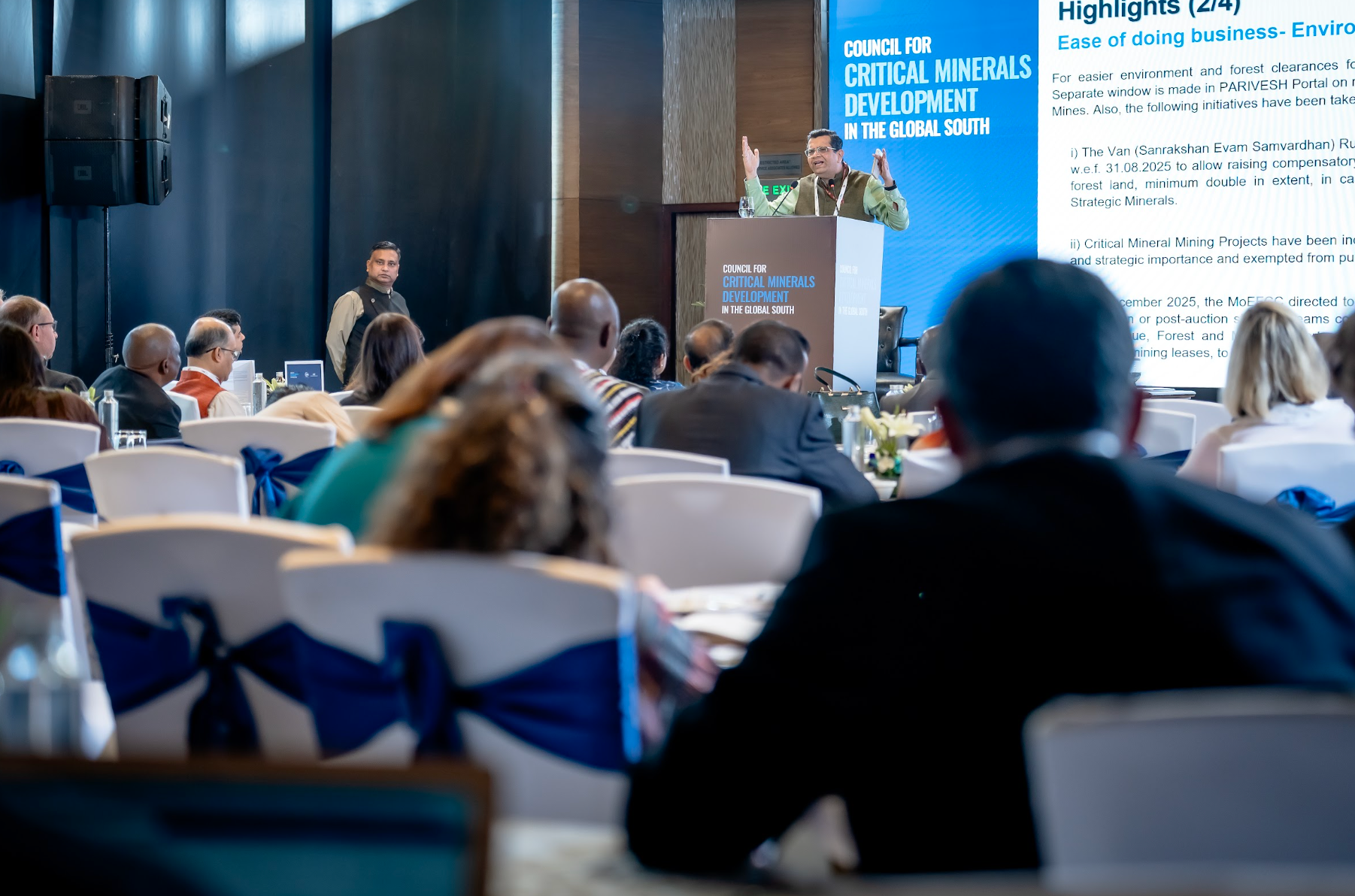
Crucially, the Convening was designed to translate cooperation into concrete, actionable outcomes rather than dialogue alone: identifying specific areas of collaboration, advancing agreements on joint capacity building and skilling, and mobilising investment through national and regional financing institutions. As the first convening of its kind, lessons from this and subsequent convenings are expected to feed into a Global South outcome document, setting out shared priorities and a practical roadmap for implementation and continued cooperation.
From electric vehicles and batteries to renewable energy and their supply chains, governments across the world are racing to secure competitiveness, jobs, and critical minerals. This moment demands a new paradigm: climate action framed as economic diplomacy. The question is no longer about the pathway for the transition, but whether we can do so in time, while managing trade-offs, avoiding false protectionism, and aligning policy, markets, and investment. Emerging markets from the Global South are well positioned to shape the future of global industrial policy in the context of clean energy transitions. The Critical Minerals Council was founded as a platform to bring research and data to support informed decision making and facilitate international cooperation.
— Dr. Aditya Ramji, Director, Global South Centre, UC Davis & Co-Convenor, Council for Critical Minerals Development in the Global South.
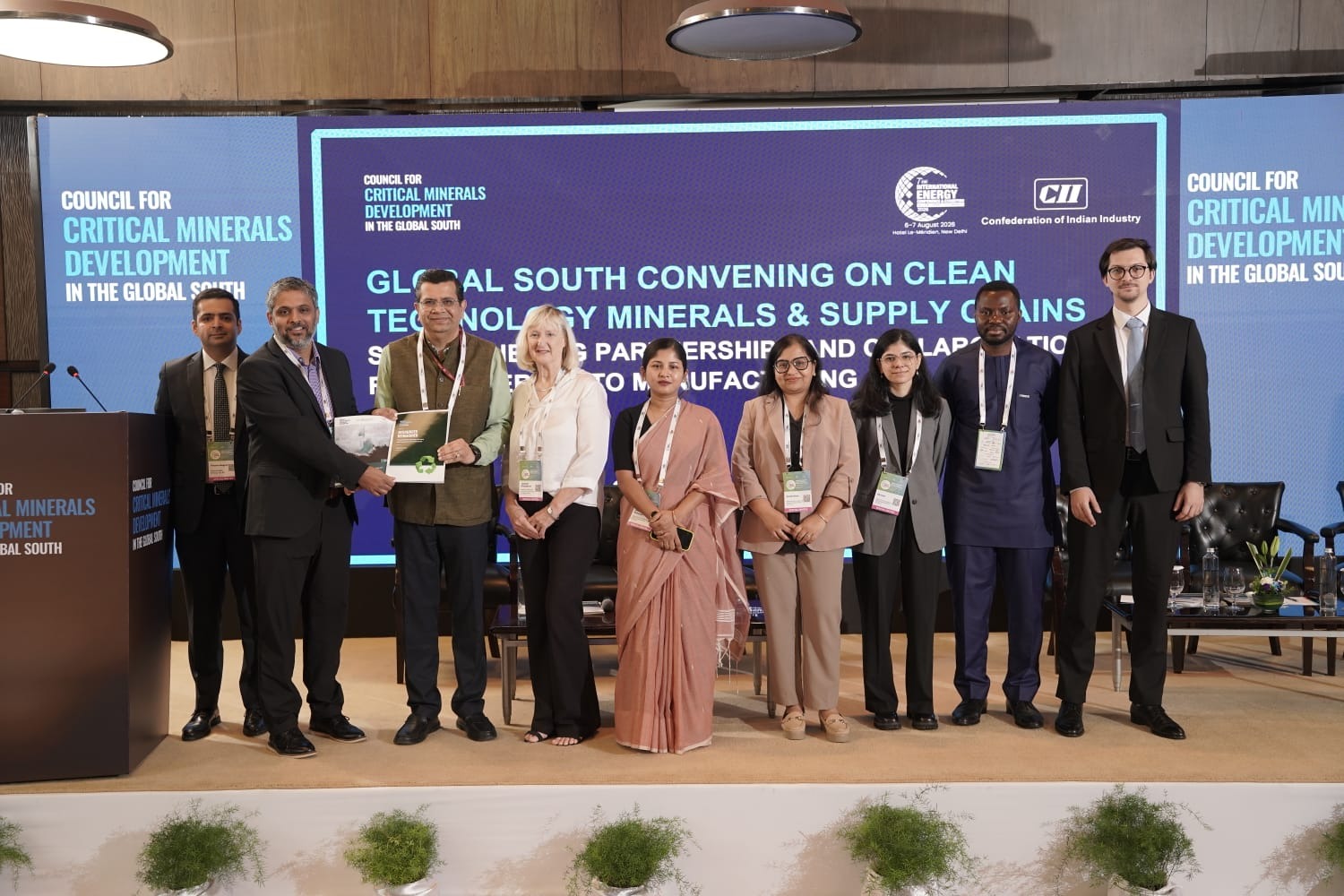
Report Launches:
The Convening featured the launch of three new reports:
Resources Reimagined: Critical Minerals Recycling, Recovery and Circularity in the Global South provides a rapid assessment of the policy landscape, operational practices and recovery potential for energy-transition minerals across the Global South. It calls for repositioning recycling from a waste-management necessity to a core pillar of green industrialisation, supply security and economic diversification, and drawing on evidence from Nigeria, India and ASEAN sets out actionable policy reforms for leveraging domestic recycling as a catalyst for value creation.
Beneath the Bottleneck: An R&D and Technology Readiness Review of Lithium and Rare Earth Processing finds that the binding constraint on the energy transition is not extraction but midstream processing, where China controls an estimated 60–70% of lithium conversion and over 85% of rare earth separation. As many Global South countries seek to expand processing capability, this first-of-its-kind report maps the production baseline and active R&D across the lithium and rare earth value chains and assigns technology readiness levels to each processing route.
Digging Deeper: Policy Pathways for Enhancing Private Sector Engagement in Critical Mineral Exploration diagnoses the structural barriers deterring private investment in India's critical mineral exploration and proposes market-aligned policy pathways to mobilise private capital. It highlights how the current reverse-bidding auction model creates a ‘risk-reward disconnect’ that discourages investment, and recommends solutions such as a Combined Licence Framework merging extraction and processing zones, and a shift from government inventory systems to globally recognised reporting standards to attract international investors.
The acceleration of demand for critical minerals presents a historic opportunity for Global South leaders: how to ensure that mineral wealth translates into long-term economic development, sustainable energy systems, and shared prosperity. This Convening is designed to spark collaboration, spotlighting evidence-based strategies and shaping durable partnerships that deliver lasting benefits for economies, communities, and future generations.
— Sandeep Pai, Senior Lead for International Energy Transitions and Executive in Residence, Nicholas Institute for Energy, Environment & Sustainability, Duke University.
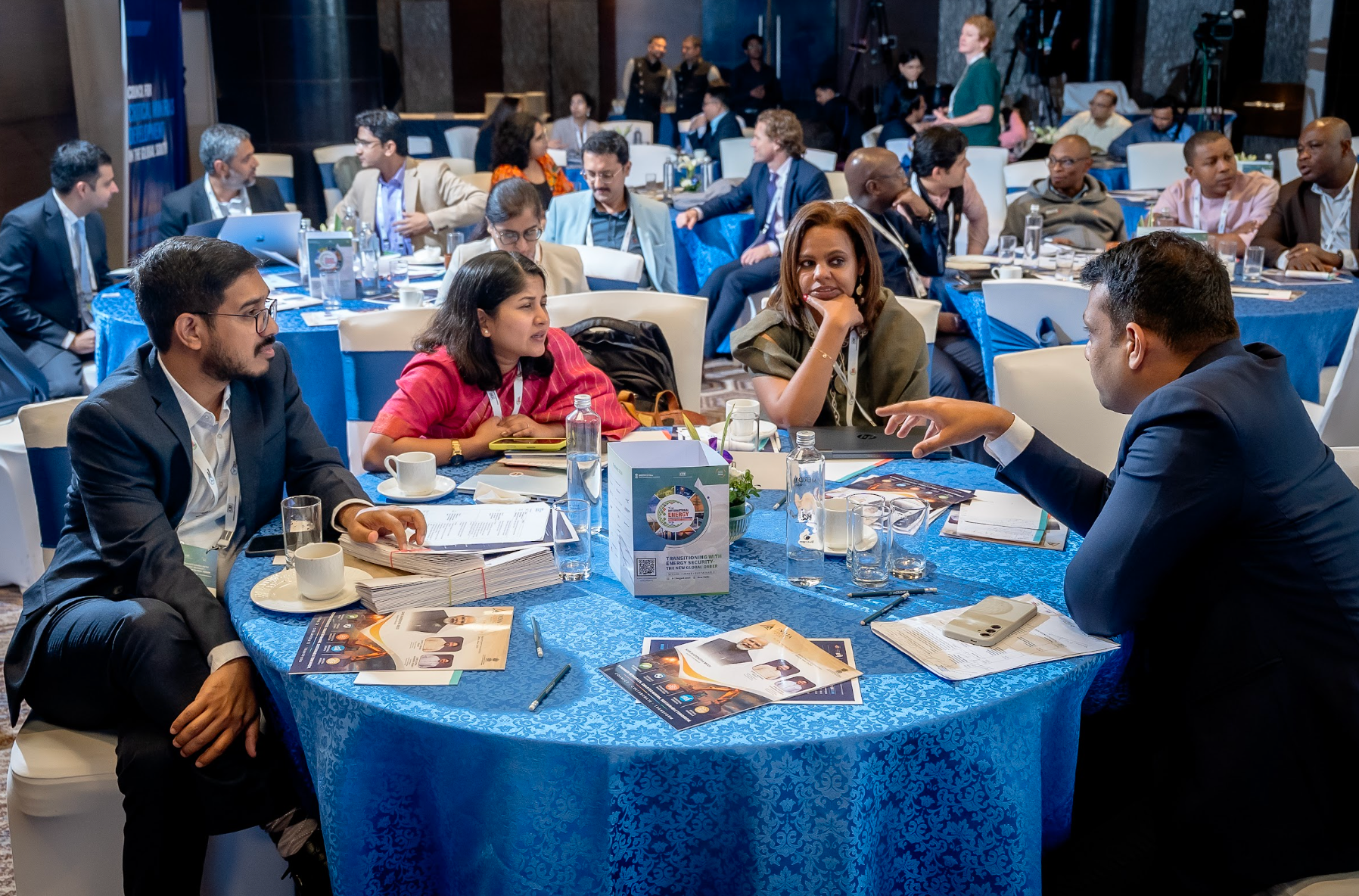
Participants included senior representatives from countries such as India, Indonesia, South Africa, Zambia, Ghana, Kenya, Nigeria, Tanzania, Zimbabwe, Botswana, Thailand and the Philippines, as well as regional and international organisations including the UN Economic Commission for Africa and the Intergovernmental Forum on Mining, Minerals and Sustainable Development.
About the Council for Critical Minerals Development in the Global South
The Council for Critical Minerals Development in the Global South is a collaborative platform co-hosted by Sustainable Energy for All (SEforALL) and the Global South Center for Clean Transportation, Institute of Transportation Studies, University of California, Davis. The Council operates at the intersection of data, policy, and diplomacy, combining rigorous research with direct government engagement to support sustainable industrialisation and equitable participation in global supply chains.
About the Convening
The Convening took place alongside the 7th International Energy Conference & Exhibition 2026, organised by the Confederation of Indian Industry (CII) and the Ministry of New and Renewable Energy. It is hosted by the Council for Critical Minerals Development in the Global South in partnership with Sustainable Energy for All, Duke University's Nicholas Institute for Energy, Environment & Sustainability, the Global South Center for Clean Transportation, and the Confederation of Indian Industry.
Media contact: Sakshi Chandra; Sakshi.chandra@seforall.org


